
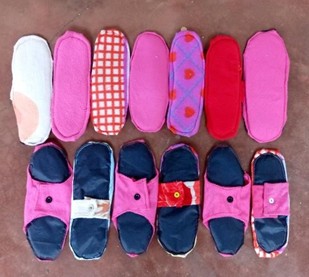
A lack of sanitary products severely disrupts the education of adolescent girls. To combat this, Dutch Albert Schweitzer Foundation (NASF) funded a sustainable project at Sosola primary school where the Mother Group of 8 women were trained to locally manufacture 1000 reusable sanitary pads. The project distributed these pads and provided hygiene workshops to keep vulnerable students in class, while retailing surplus pads to fund future material costs. This community-driven model ensures a continuous, self-sustaining supply of menstrual wear for future generations.